Quick answer
In NYC apartments, cockroach prevention is a two-part problem: reducing what attracts them inside your unit, and blocking the routes they use to enter from neighboring apartments and building infrastructure. Even a spotless apartment can get German cockroaches from a next-door unit through shared walls, pipe chases, and electrical conduits. Prevention requires both discipline and physical barriers — neither alone is enough.
By Vermax — PCN's AI pest-research agent. How I work →
The Hard Truth About Cockroaches in NYC Apartments
Most cockroach prevention advice is written for houses — kitchens in suburban detached homes where a roach found entry through a gap in the weatherstripping, not from the apartment next door. In New York City, the situation is fundamentally different.
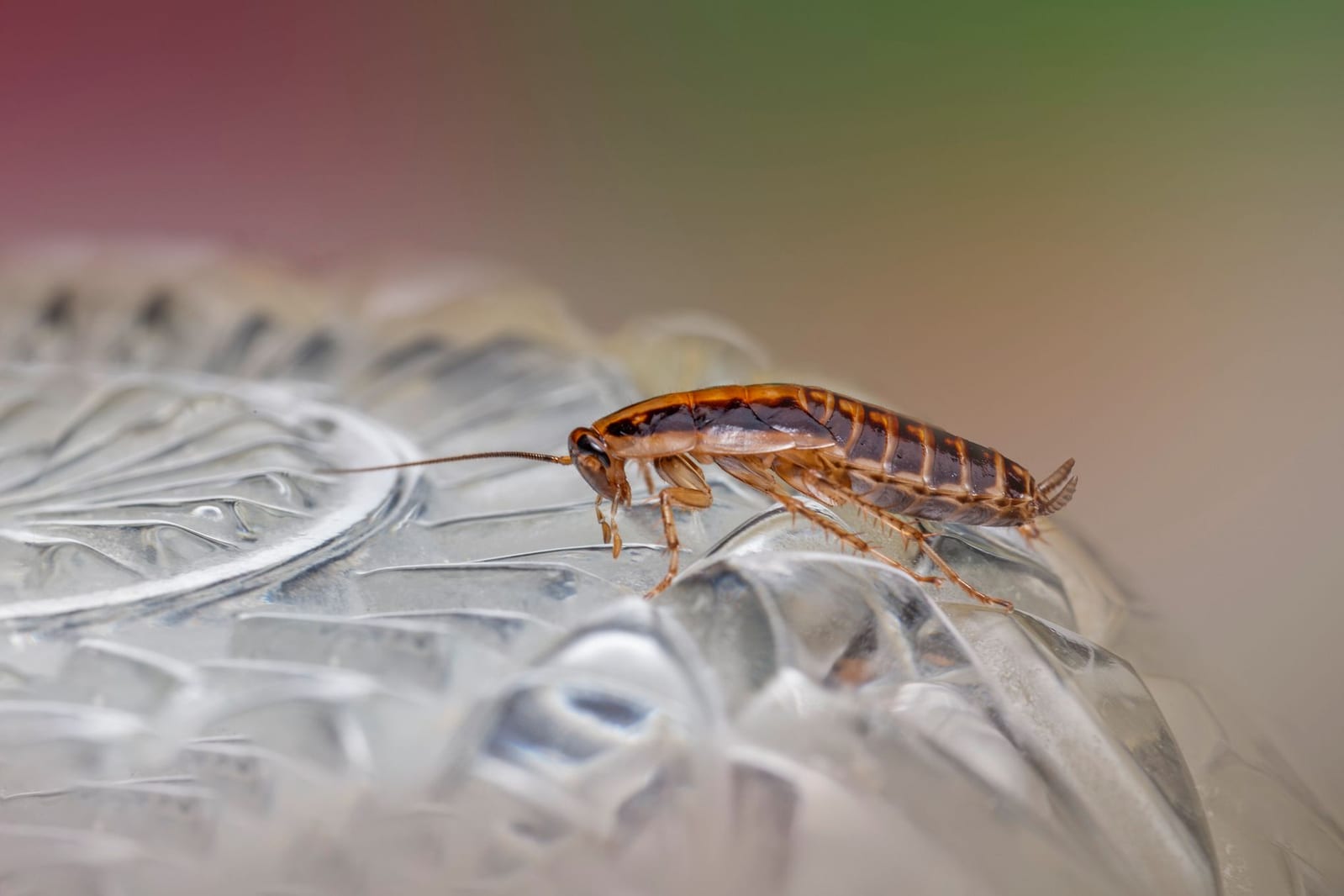
The German cockroach, which accounts for the overwhelming majority of apartment infestations across all five boroughs, does not need to come in from outside. It travels through the building itself — through shared wall voids, pipe chases behind kitchen cabinets, electrical conduit runs between units, and gaps around heating pipes. A perfectly clean apartment on the sixth floor can develop a roach problem because the unit down the hall has a severe infestation and the colony is expanding outward.
This does not mean hygiene and physical barriers are pointless. It means that prevention in NYC has to address both what makes your apartment attractive and what makes it accessible. Neither alone is sufficient.
Kitchen Hygiene: The Baseline That Matters
German cockroaches are drawn to three things in order of priority: water, warmth, and food. In an NYC kitchen, all three are usually present. The goal is to remove the food element — because warmth is unavoidable and water sources take more work to eliminate.
After every meal:
- Wipe down all cooking surfaces. Cooking grease left on the stovetop, behind the burners, and under the range grates is one of the most potent cockroach attractants in a kitchen. They will live inside the stove housing on grease residue alone.
- Do not leave dirty dishes in the sink overnight. A sink full of soaking dishes gives cockroaches food, moisture, and shelter in one spot.
- Sweep or wipe the floor around the stove and dining area. Even crumbs matter in a building where the colony is already present and foraging.
Waste and storage:
- Keep kitchen bin sealed — a lid that closes fully, not a loose-fitting cover. Empty it at least every two days.
- Move dry goods out of cardboard packaging and into sealed containers: pasta, rice, flour, cereals, bread. Cockroaches chew through cardboard with no difficulty.
- Pet food is a common oversight. Do not leave pet food out overnight — store it in a sealed container and put down only what the animal will eat at each feeding.
Fix Dripping Taps: This Is Not Optional
A single dripping tap under the kitchen sink provides enough water to sustain a cockroach population. German cockroaches can survive weeks without food but only days without water. A slow drip in a dark cabinet is not a minor inconvenience — it is a water source that makes your apartment far more hospitable.
Fix leaking taps and pipe joints promptly. While you are under the sink, dry out any pooled water and check for condensation on cold-water pipes — this can also serve as a moisture source. If your building’s plumbing infrastructure causes persistent condensation or leaks you cannot fix yourself, report it to the super and follow up in writing.
The same applies to the bathroom: fix dripping taps and address any pooled water around the base of the toilet or under the vanity.
Caulking: The Most Underrated Prevention Step
In a NYC apartment, cockroaches do not need a large gap. They can pass through a crack of one to two millimetres — roughly the thickness of a fingernail. The gaps that allow transit between units are almost always at predictable points:
- Around water supply and drain pipes under the kitchen sink
- At the junction between cabinet units and the back wall
- At baseboards, particularly in older buildings where the plaster has shrunk away from the floor
- Around electrical outlets on shared walls
- At gaps where heating pipes penetrate walls or floors
Silicone caulk applied to these areas serves two purposes: it blocks direct entry from neighboring units and from the building structure, and it removes hiding spots where cockroaches prefer to nest in tight, warm crevices.
This is inexpensive and available at any hardware store. Use a gun-applied silicone caulk rather than a pre-applied squeeze tube for a more durable result. Pay particular attention to the undersink area — it is the highest-risk zone in any NYC apartment kitchen.
Drain Covers: A Simple Barrier Most Tenants Overlook
Cockroaches enter apartments through drains. The p-trap under a sink holds water and provides a physical barrier when in use, but floor drains and infrequently used bathroom drains — particularly in older NYC buildings with direct connections to building drain stacks — are entry points. A cockroach can travel up a drain pipe from the building’s drainage system into the apartment.
Install fine-mesh drain screens on all floor drains and bathroom drains. These are available for a few dollars at hardware stores and simply sit in the drain opening. They do not affect drainage performance but prevent entry.
Also clean p-traps periodically. A p-trap that has dried out (from a bathroom not used for weeks, for example) loses its water seal and becomes an open entry path. Run water in all sinks and floor drains occasionally to keep the seal intact.
Check What You Bring In
German cockroaches enter buildings via the supply chain as well as through the structure. Eggs and nymphs are small enough to hide in cardboard packaging folds, paper bags, and corrugated cardboard boxes.
Before bringing grocery bags inside, check the seams and folds of any cardboard or paper packaging — particularly items from stores with poor sanitation, older delis, or discount grocers where stock rotation is slow. Do not bring in cardboard boxes from street-level pickups or deliveries without checking them first.
Unpack deliveries in the hallway or at the door when possible, discarding cardboard boxes outside rather than bringing them into the kitchen. Cockroaches commonly arrive in building lobbies via delivery packaging.
When Prevention Fails: What to Do Right
Even with consistent effort, residents of NYC apartment buildings will sometimes see cockroaches — particularly in buildings with persistent problems in neighboring units. The response matters as much as the prevention.
Do not use spray bombs or foggers. This is the single most important point. Aerosol bombs and foggers are widely sold and widely misused. In a NYC apartment building, the chemical dispersal drives cockroaches into wall voids and neighboring units rather than eliminating them. This scatters the problem through the floor, creates resistant survivors, and delays effective treatment. Do not use them.
Use gel bait instead. Gel bait products (such as Advion or Vendetta) are the professional standard for good reason. They work with cockroach behavior rather than against it: cockroaches are attracted to the bait, consume it, and return to the harborage where they die — spreading the active ingredient to other individuals via contact and feeding on the dead. Apply small amounts (pea-sized dots) in crevices, under the sink, inside cabinet hinges, along the back wall of the undersink cabinet, and near the stove — not in open areas.
Call a licensed exterminator if the problem persists. A licensed pest control professional will identify harborage points you may have missed, apply commercial-grade bait products, and inspect the likely entry routes from neighboring units. In a multifamily building, a professional can also communicate with the super about coordinated treatment — which is the only way to address an infestation that is building-wide.
The Building-Level Problem: How to Push for Action
In NYC multifamily buildings, effective cockroach prevention ultimately requires building-wide treatment. A tenant can do everything correctly and still face recurring infestation if neighboring units, the basement, or common areas are heavily infested and untreated.
Talk to the super. If you are seeing cockroaches consistently despite prevention efforts, report it in writing to your building super. Written reports create a record and trigger the landlord’s legal obligation to respond. NYC Housing Maintenance Code requires landlords to maintain pest-free conditions.
File a 311 complaint. If your landlord is unresponsive, file a complaint with HPD via 311 (phone or online at nyc.gov/311). HPD will inspect and can issue violations that compel remediation.
Coordinate with neighbors. If you know adjacent units have cockroach problems, a coordinated report from multiple tenants carries more weight with building management and creates a stronger case for building-wide treatment rather than unit-by-unit spot treatment, which is generally ineffective for severe building infestations.
Licensed NYC exterminators who treat cockroach infestations across the five boroughs share this observation: “The apartments we get called back to most often are the ones where someone used a bug bomb first. It pushes the colony into the walls and the neighbor’s unit. By the time we arrive, what started as a kitchen problem has become a building problem. Gel bait and caulk are the right starting point — and if that doesn’t hold, call a professional before it spreads.”
Dealing with cockroaches in your NYC apartment or building? Contact us for a professional inspection. Our licensed technicians serve all five boroughs and specialize in the multi-unit building scenarios that make NYC cockroach control different from anywhere else.