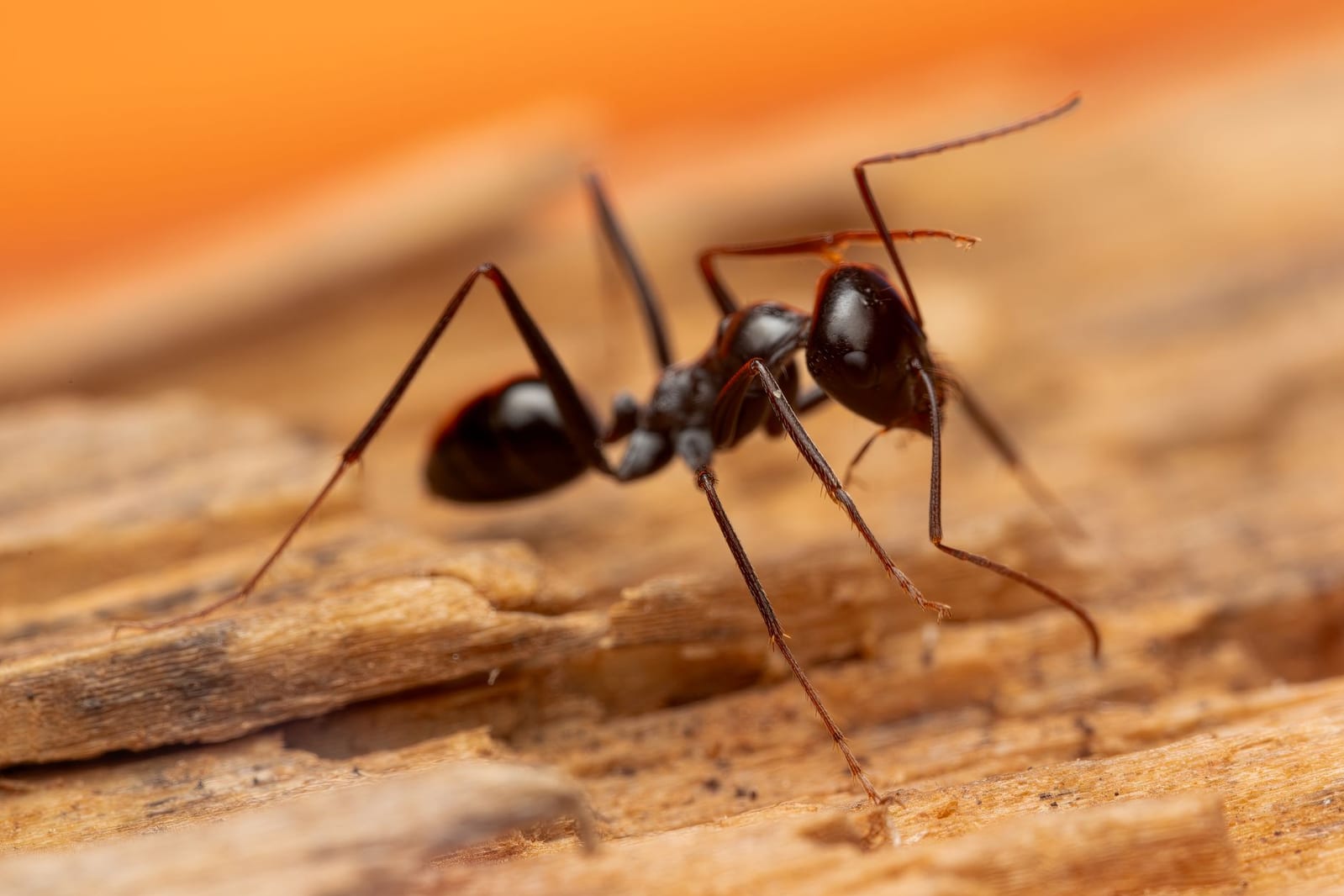
Ant control in Inwood: what to know
Inwood sits at Manhattan's northern tip beside Inwood Hill Park — the only natural forest left on the island — so homes here see more wildlife pressure (squirrels, raccoons) alongside the usual urban rodents and roaches.
Pre-war apartment stock along Dyckman Street and Seaman Avenue has the deep voids and shared plumbing that let cockroaches and mice move between units.
The park edge means seasonal mosquito and tick pressure for ground-floor and garden apartments.
How much does carpenter ant & ant control cost in Inwood?
$60–$500
National average: $150–$250 per visit (Angi). Typical single treatment: $80–$500 (small infestation). Bob Vila national range: $60–$215. Follow-up/retreatment visits: $40–$120.
US national figure — NYC typically runs higher.
NYC pest-control pricing tends to run higher in Manhattan than in Brooklyn or Queens — tier-2 NYC industry sources cite roughly a 10–20% premium, attributed to building-access logistics (walk-ups, elevators, doorman/board approval) and labour costs. This is directional signal from industry blogs, not an independently verified figure — confirm with a quote for your specific building.
Market range — not our quote
This is a market range synthesised from published cost guides — not a quote from this provider. The actual price depends on an in-person or photo-based inspection.
US national — NYC typically higher; no NYC-specific ant cost guide located, unlike bed bugs/rats/roaches.
What drives the price
- Infestation location (attic/basement/exterior walls cost more than kitchen/living space due to access difficulty)
- Severity
- Treatment method
- One-off vs follow-up retreatment
Signs you need ant control
- Ants foraging along kitchen counters, sinks, or window sills
- Trails following a consistent path from a specific gap or crack
- Activity that reappears in the same spot after a store-bought spray
- Multiple neighbouring units reporting ants around the same time
- Ants near window frames, balcony doors, or plumbing fixtures
How we treat ant control in Inwood
Ant activity in Upper East Side buildings usually traces back to the same shared infrastructure that connects rodent and cockroach problems here — pipe chases, shared risers, and utility penetrations in pre-war co-ops, plus window and balcony seals in post-war high-rises. The ants you see foraging in a kitchen are rarely the whole colony; they're scouts from a nest that may be several units or floors away.
Odorous house ants and pavement ants are the species most often behind an Upper East Side apartment call, entering through the smallest of gaps around plumbing, windows, and balcony doors. Because these buildings share walls, floors, and utility chases, a colony established in one unit's void space can send foragers into several neighbouring apartments.
Local landmarks & coverage
We serve all of Inwood and the surrounding Manhattan area — including Inwood Hill Park, Dyckman Street, Isham Park — across ZIP codes 10034, 10040.