Moth control in Crown Heights: what to know
Crown Heights mixes large pre-war apartment buildings along Eastern Parkway with brownstone side streets — the apartment stock drives heavy mouse and German-cockroach pressure through shared systems.
Dense commercial strips and high residential turnover sustain rodent pressure and make bed bugs a recurring concern in the rental buildings.
Older brownstones bring ant and 'water bug' issues from shared plumbing and damp basements.
Signs you need moth control
- Irregular holes in wool sweaters, coats, or suits, often in folded or stored garments
- Silky webbing or small case-like tubes on fabric, especially in closets and drawers
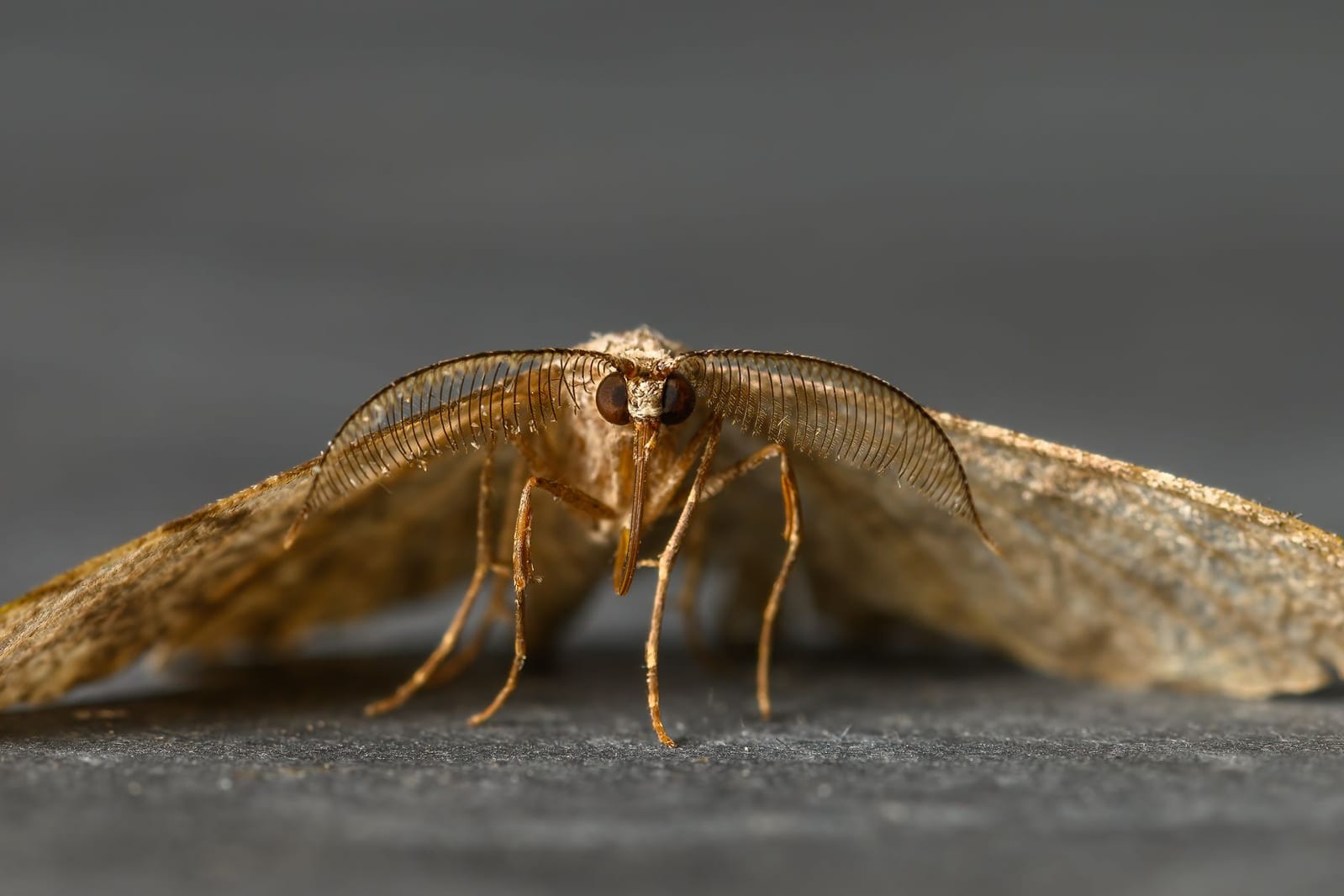
- Small cream-coloured larvae or tiny moths near closets, chests, or wool storage
- Damage concentrated in natural fibres — wool, cashmere, silk, fur — with synthetics untouched
- Thinning or bald patches in area rugs, especially where they've sat rolled up or undisturbed
How we treat moth control in Crown Heights
Even well-kept Upper East Side buildings face moth pressure that has nothing to do with cleanliness and everything to do with what's in the closet. Clothing moths — the webbing clothes moth and casemaking clothes moth are the two species behind almost every infestation — feed on wool, cashmere, silk, fur, and other natural fibres, and a neighbourhood with this much stored winter clothing, area rugs, and cedar-chest storage is exactly the environment they need.
Larvae, not adult moths, do the damage: adults live only a couple of weeks and don't feed at all, so seeing moths flying around a closet is really a sign the damage was already done by the larvae that developed there. Infestations concentrate in undisturbed storage — a wool coat that hasn't been worn all season, a folded sweater at the back of a drawer, an area rug rolled up in a closet.
Local landmarks & coverage
We serve all of Crown Heights and the surrounding Brooklyn area — including Eastern Parkway, Brooklyn Museum, Franklin Avenue — across ZIP codes 11213, 11225, 11238.