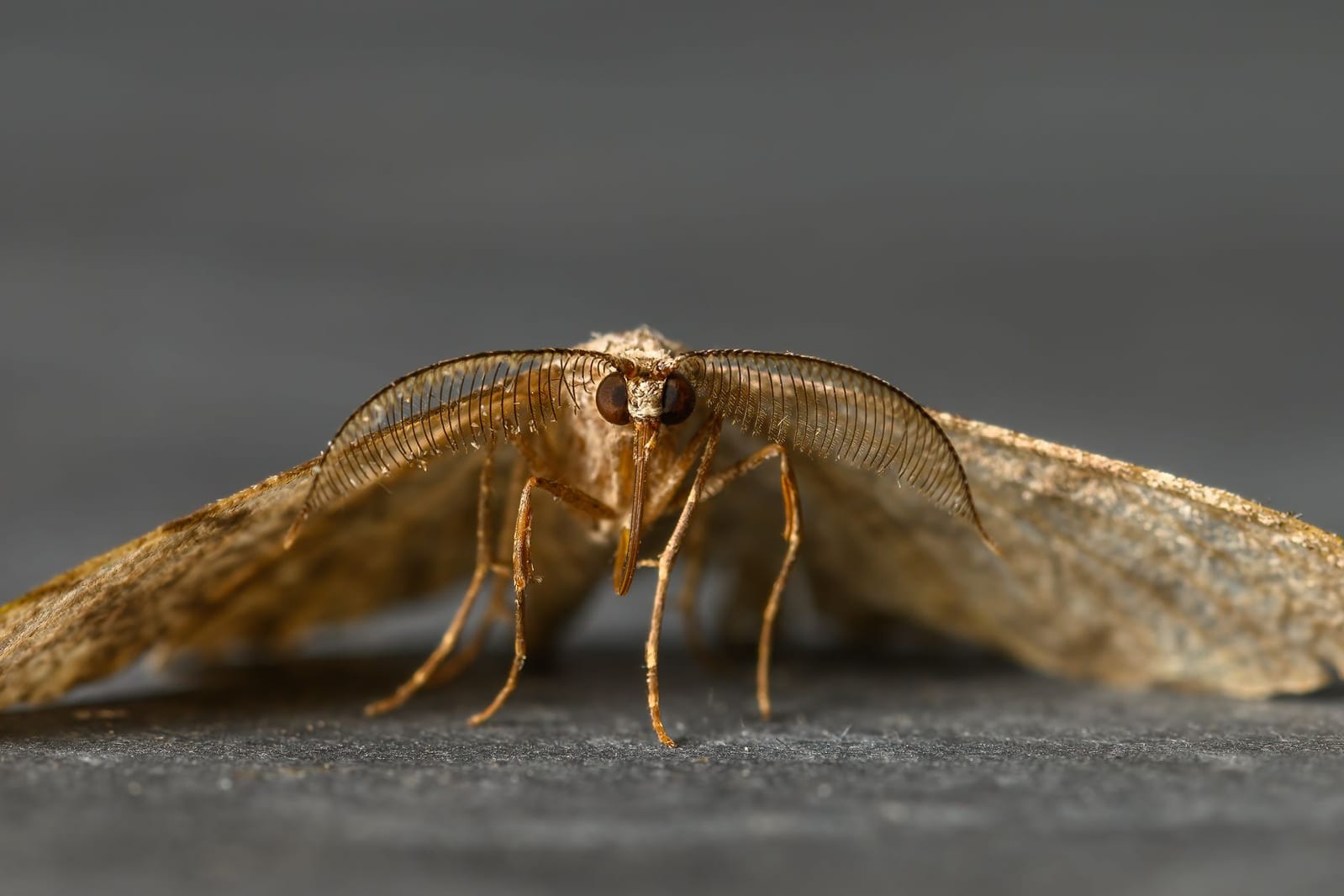
Even well-kept Upper East Side buildings face moth pressure that has nothing to do with cleanliness and everything to do with what's in the closet. Clothing moths — the webbing clothes moth and casemaking clothes moth are the two species behind almost every infestation — feed on wool, cashmere, silk, fur, and other natural fibres, and a neighbourhood with this much stored winter clothing, area rugs, and cedar-chest storage is exactly the environment they need.
Larvae, not adult moths, do the damage: adults live only a couple of weeks and don't feed at all, so seeing moths flying around a closet is really a sign the damage was already done by the larvae that developed there. Infestations concentrate in undisturbed storage — a wool coat that hasn't been worn all season, a folded sweater at the back of a drawer, an area rug rolled up in a closet.
Treatment on this housing stock focuses on the actual infested items and storage areas rather than a blanket apartment spray, because the larvae are feeding on specific fibres in specific locations, not roaming the apartment generally.
Signs you have a moth control problem
- Irregular holes in wool sweaters, coats, or suits, often in folded or stored garments
- Silky webbing or small case-like tubes on fabric, especially in closets and drawers
- Small cream-coloured larvae or tiny moths near closets, chests, or wool storage
- Damage concentrated in natural fibres — wool, cashmere, silk, fur — with synthetics untouched
- Thinning or bald patches in area rugs, especially where they've sat rolled up or undisturbed
Why Upper East Side sees this
Upper East Side apartments — pre-war co-ops, high-rises, and townhouses alike — see clothing-moth pressure from stored natural fibres and wool, a risk tied to what's kept in the closet, not to how clean or well-maintained the unit is.
Off-season storage of coats, sweaters, and area rugs common in this neighbourhood's larger closets and storage units gives clothing moth larvae the undisturbed fibre they need to develop.
We treat discreetly, consistent with how we handle every Upper East Side service call, and can provide documentation if a co-op board or insurer requires a record of professional treatment.