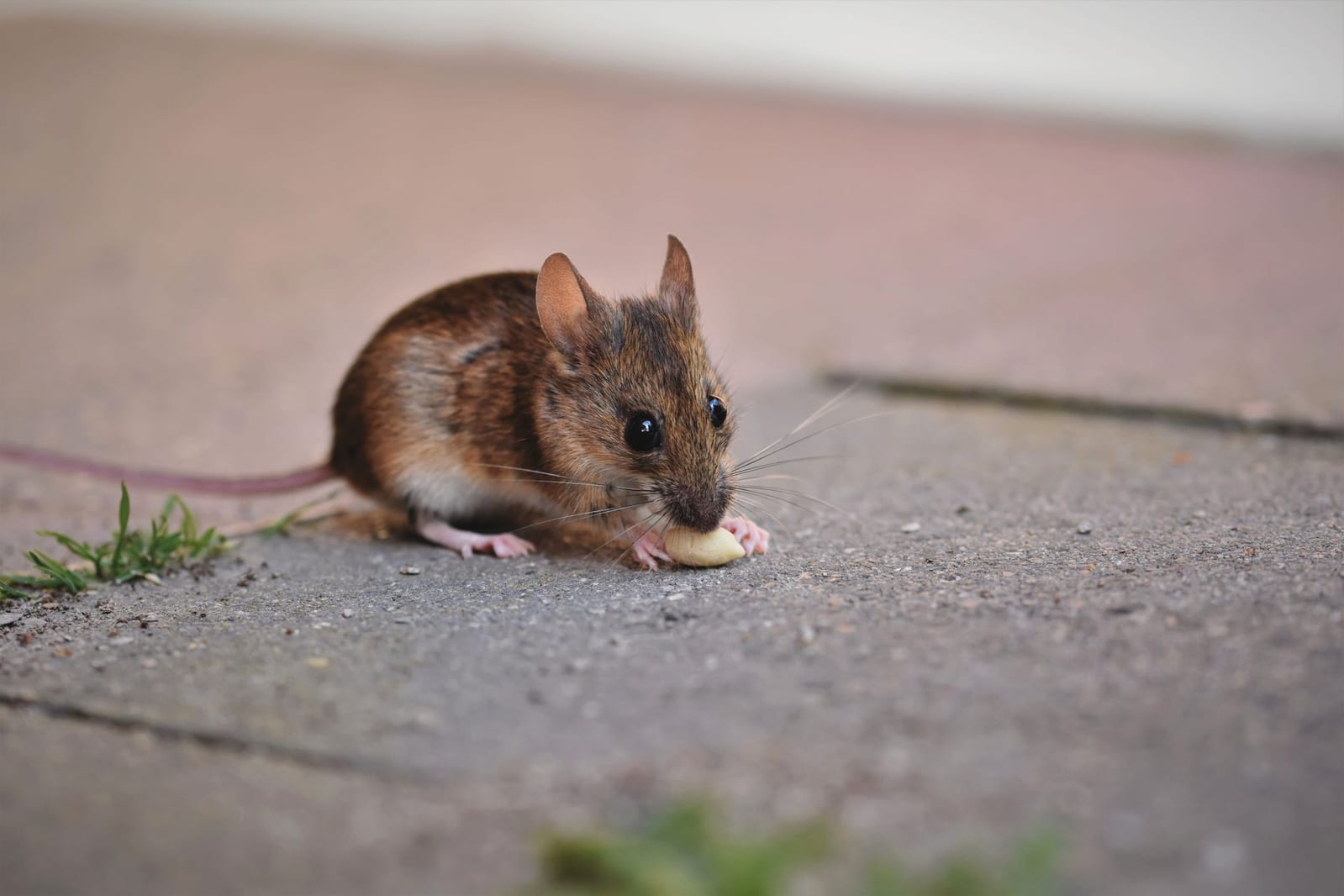
Rodent control in Upper West Side: what to know
The Upper West Side is dense pre-war apartment territory — grand buildings with shared basements, service stairs and aging risers that let mice and German cockroaches travel between units.
The restaurant corridors along Broadway, Columbus and Amsterdam Avenues sustain steady rodent pressure into the residential side streets.
Bordering Central Park and Riverside Park adds seasonal rodent and occasional-invader pressure for lower-floor and garden apartments.
How much does rat & mouse control cost in Upper West Side?
$200–$1,200
One-time baiting: $200–$500. Exclusion (baiting + entry-point sealing): $400–$900. Ongoing monitoring: $100–$200/month. NYC per-treatment overall: $300–$1,200 (avg ~$475). National per-visit average: $345 (range $216–$495).
| One-time baiting | $200–$500 per treatment |
| Exclusion (baiting + sealing) | $400–$900 per treatment |
| Ongoing monitoring | $100–$200 per month |
NYC pest-control pricing tends to run higher in Manhattan than in Brooklyn or Queens — tier-2 NYC industry sources cite roughly a 10–20% premium, attributed to building-access logistics (walk-ups, elevators, doorman/board approval) and labour costs. This is directional signal from industry blogs, not an independently verified figure — confirm with a quote for your specific building.
Market range — not our quote
This is a market range synthesised from published cost guides — not a quote from this provider. The actual price depends on an in-person or photo-based inspection.
Angi's $345 average (range $216–$495) is the only tier-1, NYC-geo-targeted figure found and is notably lower than the tier-2 NYC blogs' $300–$1,200 claim. Both are shown — do not collapse into a single misleadingly precise number.
What drives the price
- Baiting-only vs full exclusion (sealing entry points)
- Number of visits needed for heavy infestation (3–5 visits can total $700–$1,500)
- Building type / density
- Ongoing monitoring plan vs one-off
Signs you need rodent control
- Droppings in the trash room, basement, or compactor area rather than just an individual kitchen
- Gnaw marks on trash room doors, bins, or utility penetrations
- Grease (rub) marks along baseboards or basement walls where rodents travel the same route repeatedly
- Scratching in walls or ceilings at night, especially in units near a shared riser or chase
- Burrow holes near building foundations, tree pits, or landscaped areas close to Central Park
How we treat rodent control in Upper West Side
Rodent pressure on the Upper East Side doesn't track with a building's polish. Shared trash and service areas in large co-ops and high-rises — compactor rooms, loading docks, basement corridors — sustain rat and mouse activity independent of how immaculate the lobby or individual apartments are, because those shared spaces are where food waste concentrates and where a single weak point serves an entire building.
Norway rats are burrowers, not climbers, and Central Park's grounds give them established outdoor harbourage within blocks of many Upper East Side addresses. Mice, meanwhile, move indoors through the same shared risers and pipe chases that connect units in pre-war co-ops, meaning one apartment's problem is rarely only that apartment's problem.
Local landmarks & coverage
We serve all of Upper West Side and the surrounding Manhattan area — including Central Park West, Lincoln Center, Riverside Park, Columbus Avenue — across ZIP codes 10023, 10024, 10025, 10069.