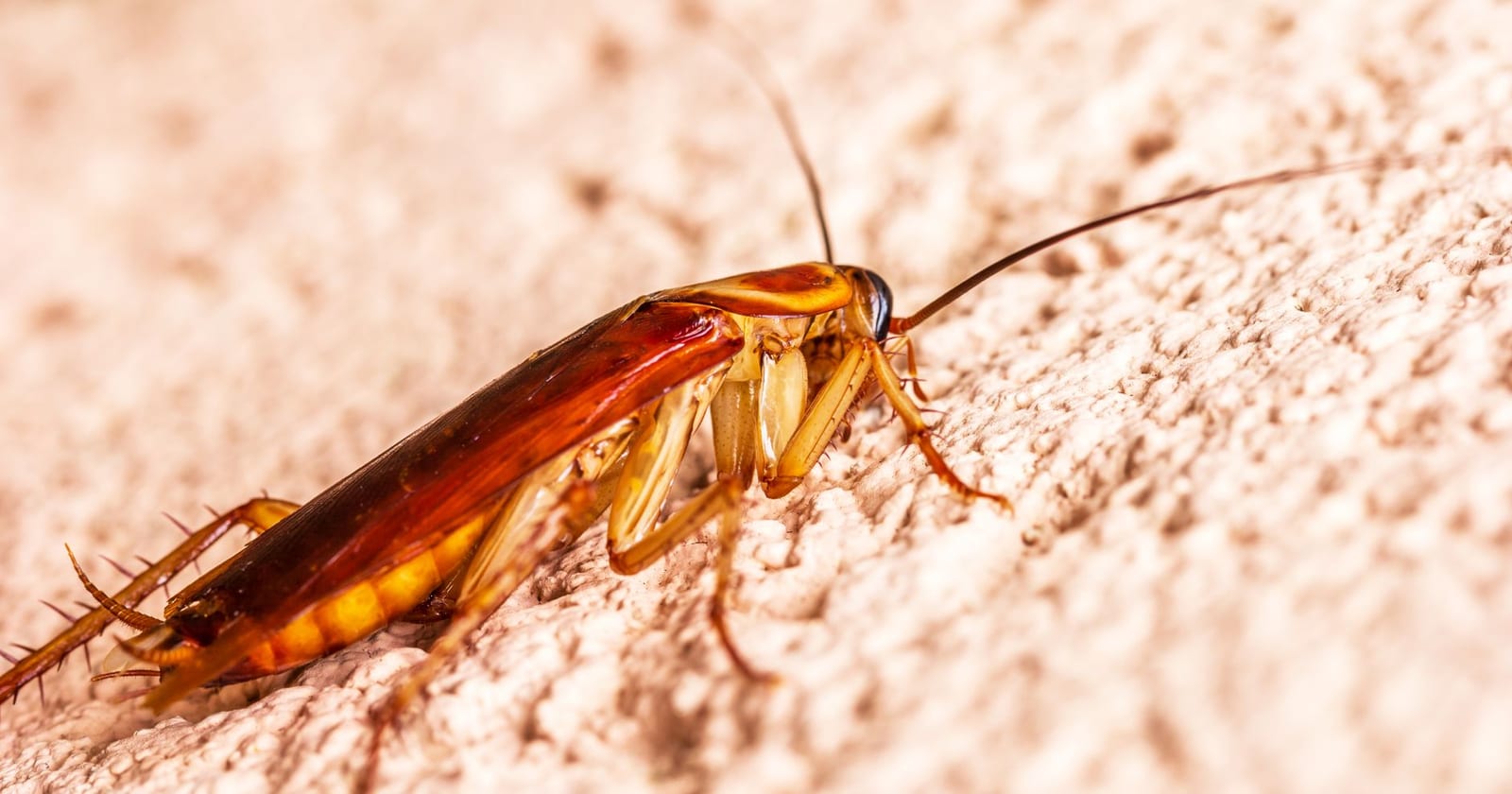
Cockroach control is among the most common pest issues we treat in Harlem. Harlem's green edges — Marcus Garvey Park, St. Nicholas Park and Morningside Park — drive the warm-season pressure residents search for most: ants foraging indoors from spring through autumn, spiders moving in around old window frames and basements, and mosquitoes breeding in standing water after summer rain. These are common in ground-floor, garden and brownstone-rear apartments backing onto the parks.
Cockroach control in Harlem: what to know
Harlem's housing is dominated by pre-war apartment buildings, historic brownstones and walk-ups — handsome buildings with deep baseboard gaps, shared wall voids and aging plumbing that let rodents and cockroaches travel freely between units.
The dense restaurant and retail corridor along 125th Street and Lenox Avenue creates constant food-source pressure that feeds rodent and roach populations into the surrounding residential blocks.
Brownstone conversions are especially prone to bed bug spread through shared walls and hallways, and to 'water bugs' rising through old shared plumbing from basements.
Harlem's green edges — Marcus Garvey Park, St. Nicholas Park and Morningside Park — drive the warm-season pressure residents search for most: ants foraging indoors from spring through autumn, spiders moving in around old window frames and basements, and mosquitoes breeding in standing water after summer rain. These are common in ground-floor, garden and brownstone-rear apartments backing onto the parks.
How much does cockroach & water bug control cost in Harlem?
$120–$700
NYC one-time treatment: $150–$700 (most jobs ~$300). German cockroach: $200–$500. American/water bug: $150–$300. Monthly maintenance plan: $50–$100/month. National average (Bob Vila): $120–$160.
| German cockroach | $200–$500 one-time |
| American / water bug | $150–$300 one-time |
| Monthly maintenance plan | $50–$100 per month |
NYC pest-control pricing tends to run higher in Manhattan than in Brooklyn or Queens — tier-2 NYC industry sources cite roughly a 10–20% premium, attributed to building-access logistics (walk-ups, elevators, doorman/board approval) and labour costs. This is directional signal from industry blogs, not an independently verified figure — confirm with a quote for your specific building.
Market range — not our quote
This is a market range synthesised from published cost guides — not a quote from this provider. The actual price depends on an in-person or photo-based inspection.
NYC-specific figures rely on tier-2 sources only; Bob Vila's tier-1 national figure ($120–$160) sits well below the NYC-claimed range — consistent with a genuine NYC premium but not independently verified at that magnitude.
What drives the price
- Species (German roaches cost more — faster reproduction, hide in appliances/cabinet voids)
- Single unit vs building-wide program (co-ops/condos: $500–$2,000+)
- One-time vs recurring monthly plan
- Shared-plumbing-riser buildings (NYC pre-war stock) spreading infestation building-wide
Signs you need cockroach control
- Live roaches in the kitchen or bathroom, especially at night
- Large 'water bugs' emerging from a basement drain, compactor room, or trash chute
- Dark, pepper-like droppings in cabinet corners or under appliances
- Egg cases tucked behind appliances or near shared utility penetrations
- Activity returning in a treated unit shortly after — often a sign the shared infrastructure wasn't addressed
How we treat cockroach control in Harlem
German cockroaches are the kitchen pest here, same as anywhere in the city — small, fast-breeding, and living within about a metre and a half of the harbourage you first spot. But the Upper East Side's mix of pre-war co-ops, high-rises, and townhouses adds a second layer: shared trash rooms, compactor chutes, and basement service areas sustain the larger American cockroach ('water bug') regardless of how well-kept an individual apartment is.
In buildings with shared plumbing chases and trash infrastructure, one unit's cockroach-free kitchen doesn't guarantee the building is clear — the population can be sustained in a compactor room or basement drain and simply re-enter through the same voids that connect units. That's why a thorough job on this housing stock treats the shared infrastructure, not only the apartment that called.
Local landmarks & coverage
We serve all of Harlem and the surrounding Manhattan area — including Apollo Theater, 125th Street, Marcus Garvey Park, St. Nicholas Park, Morningside Park, Striver's Row, Lenox Avenue — across ZIP codes 10026, 10027, 10030, 10037, 10039.