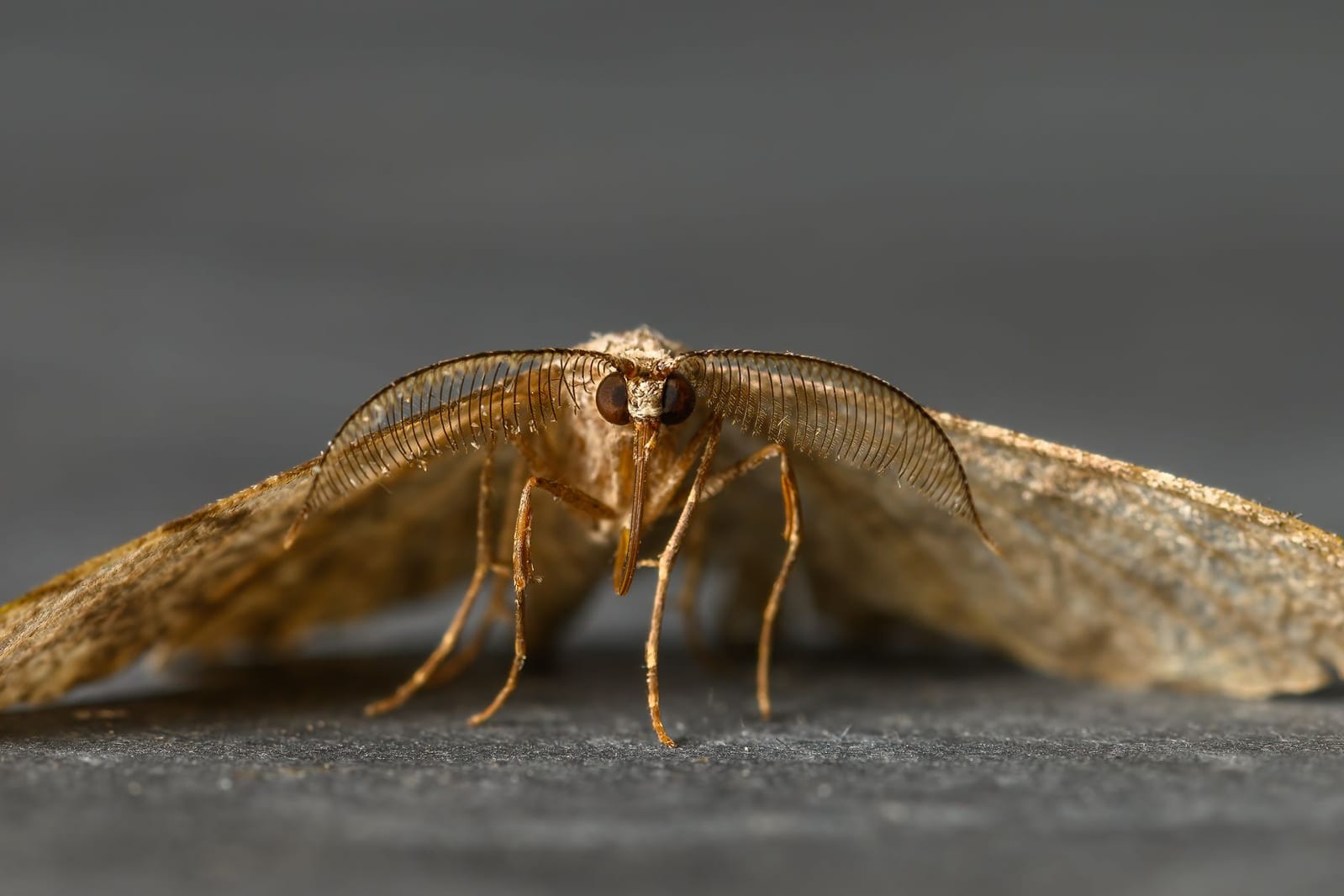
Moth control in Harlem: what to know
Harlem's housing is dominated by pre-war apartment buildings, historic brownstones and walk-ups — handsome buildings with deep baseboard gaps, shared wall voids and aging plumbing that let rodents and cockroaches travel freely between units.
The dense restaurant and retail corridor along 125th Street and Lenox Avenue creates constant food-source pressure that feeds rodent and roach populations into the surrounding residential blocks.
Brownstone conversions are especially prone to bed bug spread through shared walls and hallways, and to 'water bugs' rising through old shared plumbing from basements.
Harlem's green edges — Marcus Garvey Park, St. Nicholas Park and Morningside Park — drive the warm-season pressure residents search for most: ants foraging indoors from spring through autumn, spiders moving in around old window frames and basements, and mosquitoes breeding in standing water after summer rain. These are common in ground-floor, garden and brownstone-rear apartments backing onto the parks.
Signs you need moth control
- Irregular holes in wool sweaters, coats, or suits, often in folded or stored garments
- Silky webbing or small case-like tubes on fabric, especially in closets and drawers
- Small cream-coloured larvae or tiny moths near closets, chests, or wool storage
- Damage concentrated in natural fibres — wool, cashmere, silk, fur — with synthetics untouched
- Thinning or bald patches in area rugs, especially where they've sat rolled up or undisturbed
How we treat moth control in Harlem
Even well-kept Upper East Side buildings face moth pressure that has nothing to do with cleanliness and everything to do with what's in the closet. Clothing moths — the webbing clothes moth and casemaking clothes moth are the two species behind almost every infestation — feed on wool, cashmere, silk, fur, and other natural fibres, and a neighbourhood with this much stored winter clothing, area rugs, and cedar-chest storage is exactly the environment they need.
Larvae, not adult moths, do the damage: adults live only a couple of weeks and don't feed at all, so seeing moths flying around a closet is really a sign the damage was already done by the larvae that developed there. Infestations concentrate in undisturbed storage — a wool coat that hasn't been worn all season, a folded sweater at the back of a drawer, an area rug rolled up in a closet.
Local landmarks & coverage
We serve all of Harlem and the surrounding Manhattan area — including Apollo Theater, 125th Street, Marcus Garvey Park, St. Nicholas Park, Morningside Park, Striver's Row, Lenox Avenue — across ZIP codes 10026, 10027, 10030, 10037, 10039.